Most wellness lists are the same dozen affiliate links passed around. This one is ten pieces of gear with a clear job: no supplements, no detox gadgets with no mechanism behind them. Several come with a catch, and I’ve put the catch next to each one.
1. Oura Ring 5: a smaller sleep tracker
Oura’s fifth-generation ring launched in June 2026. It’s 40% smaller and thinner than the Ring 4, runs about a week on a charge, and adds Health Radar features that flag blood pressure trends and nighttime breathing patterns. Silver and Black run $399. Premium finishes (gold, deep rose, matte “Stealth”) run $499.
The catch: the ring does very little without the membership, $5.99 a month or $69.99 a year. The membership is what unlocks the sleep, readiness and health-trend insights. If your Ring 4 still works, skip the upgrade. It makes sense for a first sleep-tracking ring if you want the current sensors without a screen or a wrist strap.
2. Hatch Restore 3: a sunrise alarm that gets your phone off the nightstand
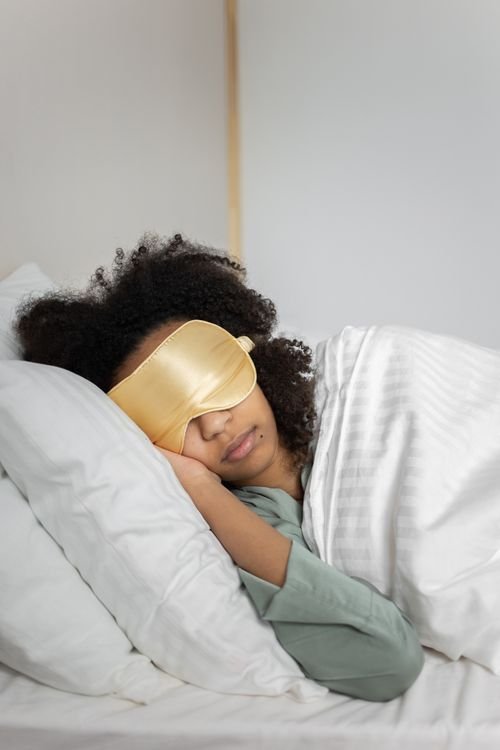
$169.99. It does three things: simulates a sunrise, plays sound, and runs a wind-down routine you set up without touching a screen. The sunrise alarm, sunset wind-down and a basic sound library work on the free tier. The full library of 60-plus sounds and the guided content need a membership, $4.99 a month or $49.99 a year. Know that before you buy.
The pitch is simple. If your phone is your alarm clock, it’s the first thing you touch in the morning and the last thing at night. This swaps that for a device with no Slack on it.
3. Coway Airmega AP-1512HH Mighty: a long-running air purifier pick
Around $230, with four-stage true HEPA filtration. It has been a common reference point for air purifiers for years and covers rooms of roughly 300 square feet or more.
One piece of advice that applies beyond this model: skip anything sold as an “ionizer” or built on ionic technology instead of true HEPA. It’s a real difference in how the device works, and some ionizing purifiers release ozone as a byproduct.
4. Theragun Prime, 6th Gen: recovery without the flagship price
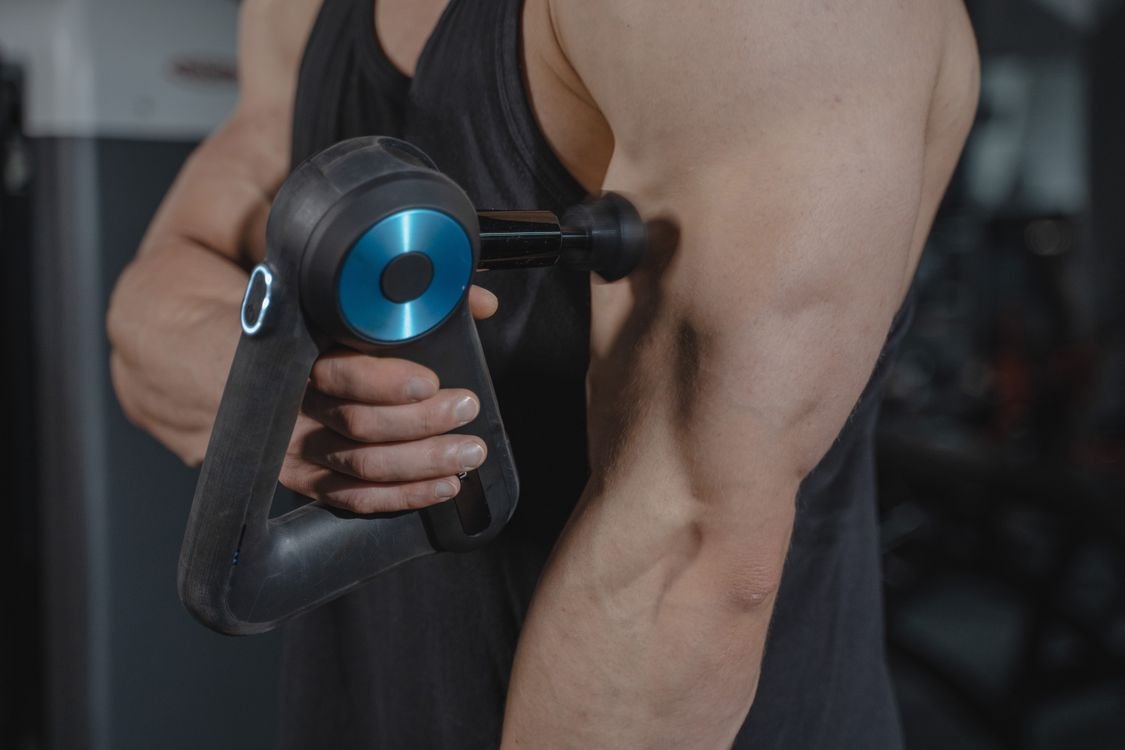
$329.99 list, often on sale around $249.99. It has 16mm amplitude, an impact-resistant build and enough battery for daily use. Therabody’s flagship Pro Plus costs $649.99 and adds heat, LED and extra attachments.
For loosening tight shoulders after a desk day, the Prime is enough. The Pro Plus features are aimed at heavy training loads or people working on clients.
5. A red light therapy panel, not a wand
Red light therapy is a researched category and also one of the most oversold. The evidence is clearest for skin and localized muscle recovery. It doesn’t support the “fixes everything” claims in the ads.
If you try it, skip handheld wands and look for a panel with published specs: 660nm (red) and 850nm (near-infrared) wavelengths, and irradiance around 50 to 100 mW/cm² at a realistic treatment distance. Budget panels from brands like Hooga run roughly $150 to $250 and publish those numbers. Studio-grade full-body panels cost well over $1,000, which is more than most home use needs.
6. Stelo by Dexcom: a glucose sensor without a prescription
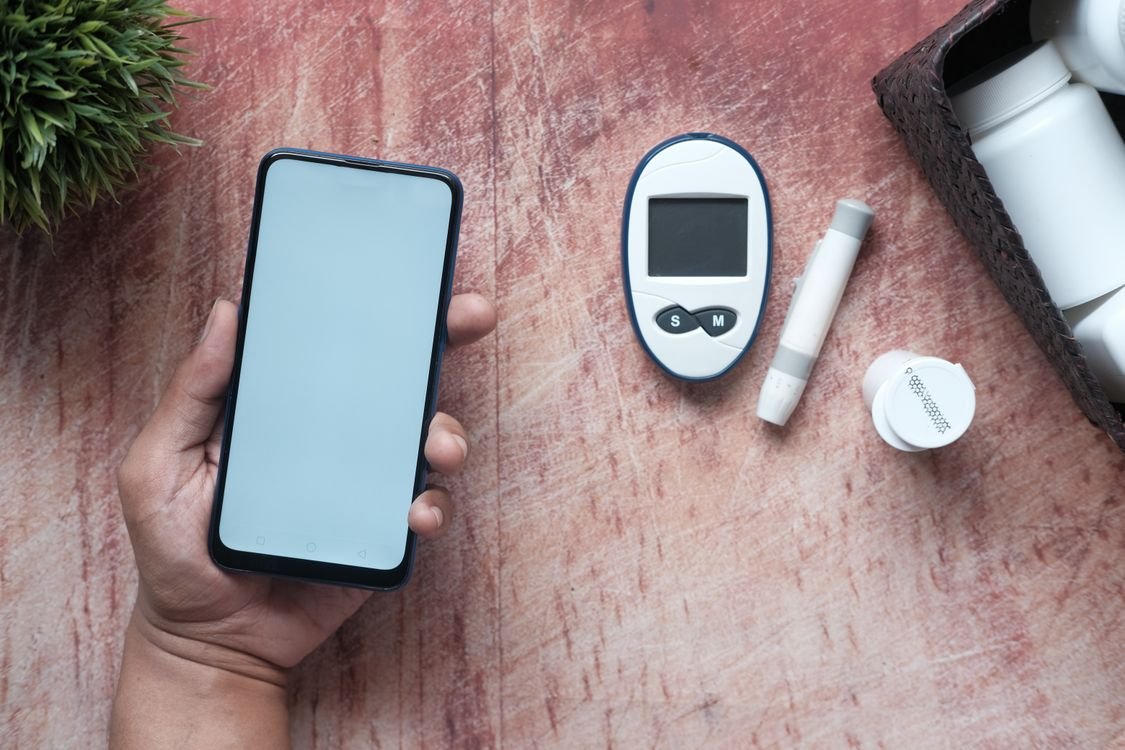
$99 for two sensors that last up to 15 days each, so about a month of wear. Stelo is a continuous glucose monitor sold over the counter for adults who aren’t on insulin. It shows how specific meals, workouts and sleep move your blood sugar.
It’s a pattern-spotting tool, not a diagnostic one. It isn’t designed to guide medication decisions, and Dexcom says medical action should go through a doctor. If you’re generally healthy and curious about your own data, it’s a window into your biology. If you’re managing a diagnosed condition, talk to your provider about prescription-grade options instead.
7. WalkingPad P1 Classic: desk hours as step count
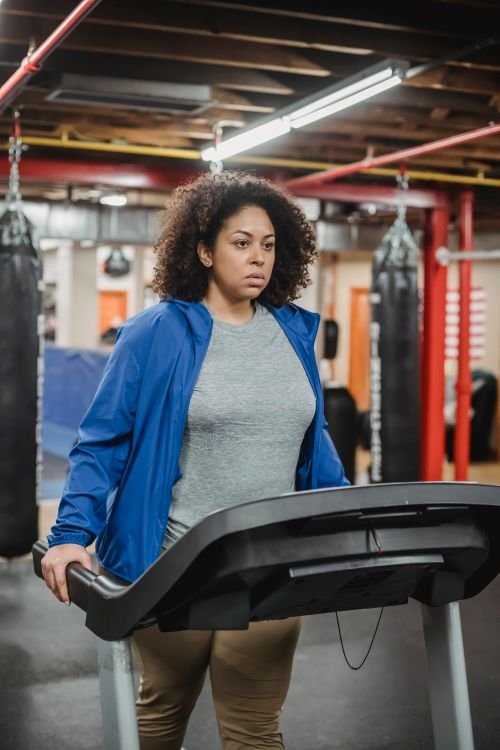
A folding under-desk treadmill that stands upright against a wall when you’re done. It’s built for a slow work-call pace of 2 to 3 mph, not running.
This category has a quality problem. Consumer Reports tested a batch of budget walking pads this year and found weak belts, poor ergonomics and safety issues on several. The P1 held up where cheaper ones didn’t, which is why it’s here instead of “any $150 walking pad on Amazon.”
8. Loop earplugs: $30 for a quieter day
Loop’s earplugs come in Quiet (more noise reduction) and Engage (takes the edge off). They’re cheap and reusable, and they fix something the rest of this list doesn’t: a space loud enough to wreck your focus or your sleep. Open office, noisy street, a partner who snores.
9. A gravity water filter with numbers behind it
Skip filters that promise to “remove toxins” without naming them. Look for one that publishes NSF-certified reduction numbers for specific contaminants: lead, chlorine, PFAS, whatever matters for your water. Gravity filters in the Berkey or ZeroWater range need no subscription. Trust the certification page over the box.
10. A blackout sleep mask
The cheapest item here at around $30, and probably the best value. Look for contoured eye cups that don’t press on your eyelids, a strap that stays put, and total blackout. After nine items with sensors, apps and subscriptions, this one needs none of them.
That’s the list. If you want future rounds before they go up on the site, that’s what The Weekly Upgrade is for.